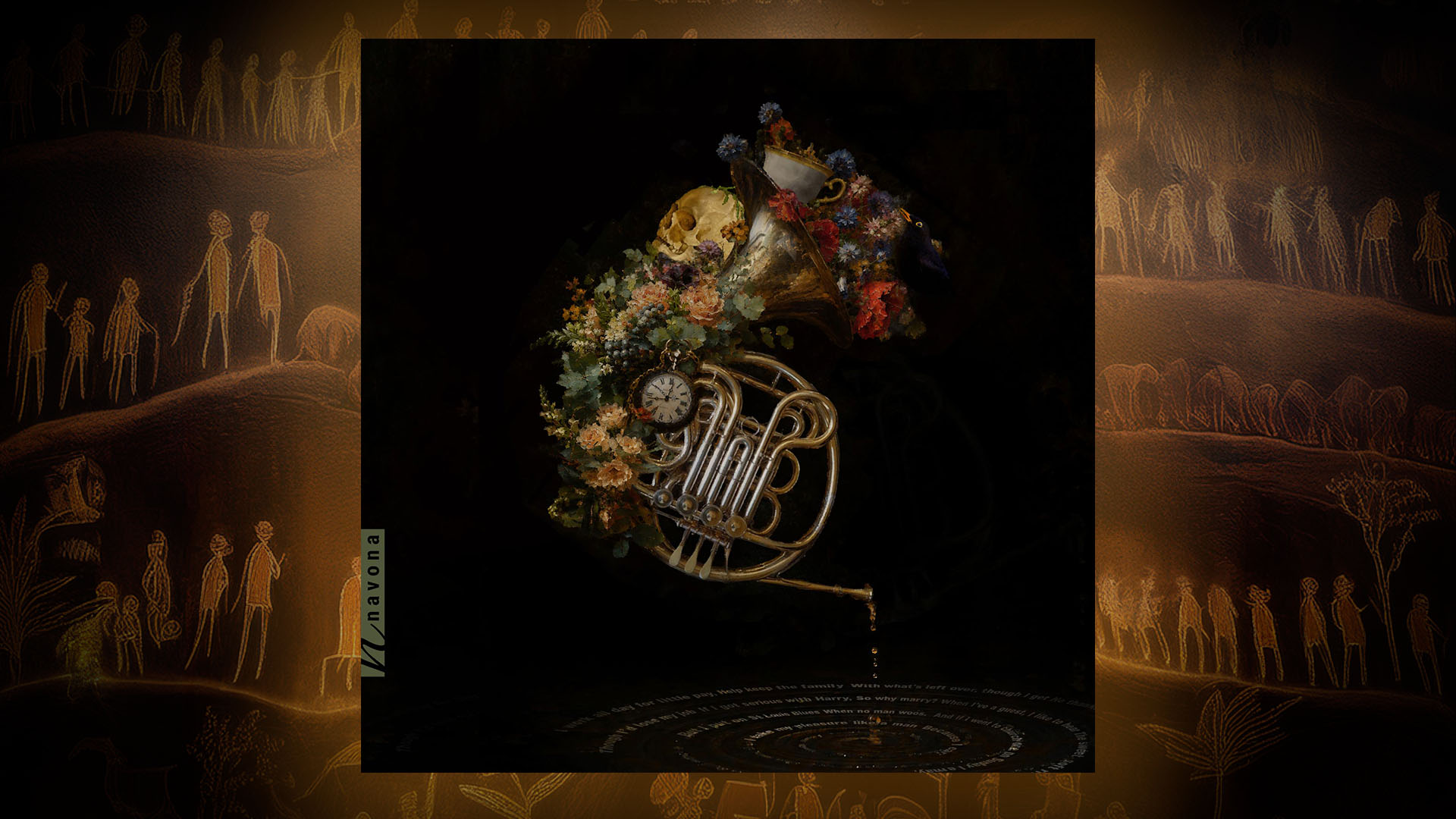
What if a French horn could speak? What stories might it tell, and what emotions could it convey without words?
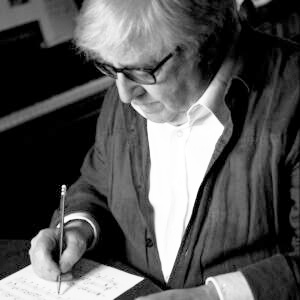
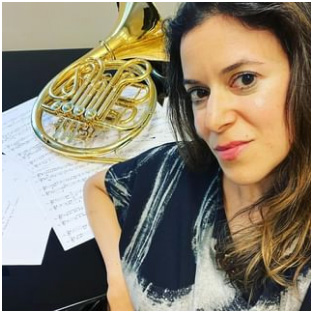
Those questions lie at the heart of THE HORN SPEAKS, a new recording by composer David Jaeger and French horn soloist Olivia Esther, set for release October 9, 2026. The album places the horn at the center of an intimate musical dialogue between poetry, melody and performance.
Joining Esther are soprano Sara Schabas, French horn player Victor Prado, pianist Stephanie Chua, and violinist Joyce Lai.
Rather than treating the French horn simply as an instrumental voice, Jaeger’s compositions make it the principal protagonist. Inspired entirely by poetry, the works explore the horn’s capacity for intimacy, reflection and emotional expression.
The album grew out of an artistic collaboration between Jaeger and Esther that has developed over several years. Each composition was written specifically for Esther, taking into account her singular approach to interpretation and performance.
At the heart of THE HORN SPEAKS are poems by Scottish author David Cameron, the late English-Canadian author Seán Haldane, and Canadian author Bruce Whiteman. Their words are not merely a source of inspiration; they are woven into the structure and character of the music.
Melody, rhythm, harmony, articulation and tempo emerge directly from the poetry. Spoken recitations appear throughout the recording alongside the horn’s contemplative musical passages, creating an interplay in which words and instrumental sound continually illuminate one another.
The result is less like a conventional instrumental album and more like an intimate performance in which poetry and music share the same stage.
For Esther, the project also reflects her concept of “Artistic Crosstraining,” a methodology she developed during her master’s studies. Drawing on disciplines including dance, acting, singing, literature and visual art, the approach is intended to expand the expressive possibilities of musical performance.
That philosophy is particularly suited to Jaeger’s compositions, which Esther approaches not simply as musical scores but as artistic narratives shaped by the poetry behind them.
The works were composed over a six-year period and present the French horn in a variety of settings. At times Esther performs alone; elsewhere the horn is paired with soprano or another horn, while one work brings together horn, violin and piano.
Despite these changing combinations, the horn remains the central voice.
Through the collaboration, Jaeger and Esther have developed a body of work that challenges conventional ideas about the role of the French horn. Traditionally associated with orchestral and chamber music, the instrument here becomes something more personal: a storyteller capable of carrying poetic imagery through breath, tone, rhythm and silence.
THE HORN SPEAKS ultimately asks listeners to reconsider what an instrumental voice can communicate. Pensive, lyrical and at times deeply moving, the recording creates a space where poetry can become melody and the French horn can become a vehicle for memory, reflection and human emotion.
When the final note fades, the question remains: if the horn could speak, what would it say?